Is That Even a Real Person? The Rise of Deepfake Dangers in Business
From fake video calls to impersonated voicemails, deepfakes are the new threat to small businesses. Learn the warning signs—and how to stop these scams before they hit.

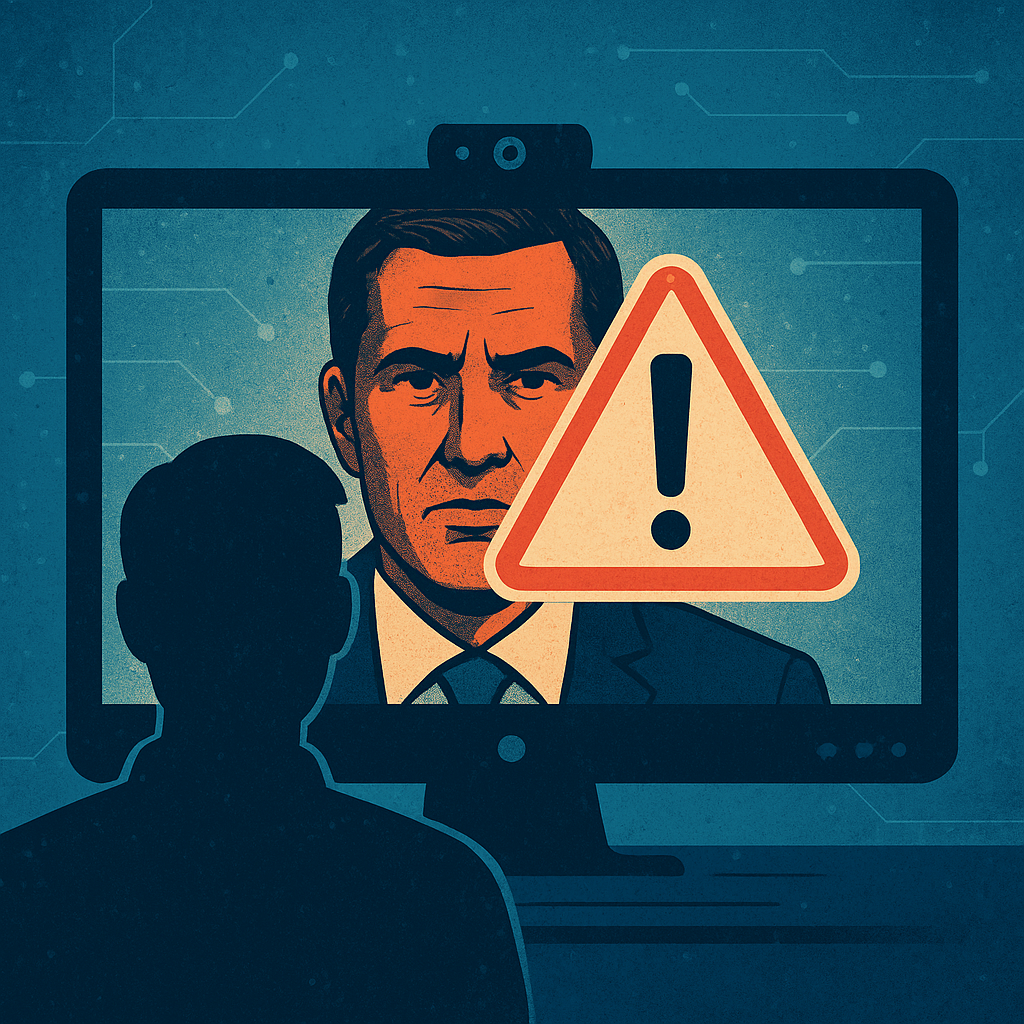
The CEO Looked Real… But It Was All Fake
Imagine getting a Zoom call from your company’s CEO. They ask you—face to face—to urgently wire money to a new vendor. Their voice is calm, the background looks like their usual office, and everything seems legit. So, you do it.
Only one problem: it wasn’t them.
This isn’t a sci-fi plot. It’s real-life deepfake fraud, and it’s targeting small businesses more than ever before.
What Deepfakes Look Like in the Workplace
Deepfakes are AI-generated audio or video clips that mimic a real person’s appearance, voice, and mannerisms. Here’s how they’re showing up in business scams:
- Fake Zoom or Teams calls using a looped deepfake of a boss or executive
- Voicemails that sound eerily like your manager
- “Face-to-face” requests for wire transfers, login credentials, or confidential files
Scammers now have the tools to look and sound like anyone—sometimes with only a few seconds of sample footage.
Red Flags: How to Tell It Might Be Fake
Even the best deepfakes aren’t perfect. Watch out for:
- Slight lip-sync mismatches
- A weird lag or delay in video
- Robotic-sounding phrases or “off” language
- Strange lighting or glitchy backgrounds
- Unusual urgency or secretive instructions
Trust your gut. If something feels off, it probably is.
It’s Not Just Emails Anymore: The New “CEO Scam”
The classic “urgent email from the CEO” scam has evolved. Criminals are now:
- Cloning voices to leave urgent-sounding voicemails
- Using AI video to hop on fake video calls
- Creating social media content to build fake trust
The goal is the same: make you act fast—before you have time to verify.
Smart Prevention Tips for Small Businesses
You don’t need a cybersecurity degree to protect your business. Try these:
🔒 Use multi-step verification for money transfers
📵 Have a “pause and confirm” policy—especially for unexpected requests
👂 Train your team to spot the signs of a deepfake
🧠 Encourage double-checking with a known, alternate method (e.g., text or in-person)
📚 Keep up with trends—scammers adapt fast
Why Trusting Your Gut Still Works
AI can mimic a lot of things—but it can’t replicate intuition. If you’re talking to someone and something just feels wrong, trust that feeling. Ask questions. Confirm in another way. Your business and your reputation might depend on it.
Thanks for Reading
Want to stay ahead of these kinds of threats? Subscribe to get updated when a new article is posted.
Need help figuring out what’s real and what’s risky?
Feel free to reach out to Managed Nerds.