Why Your AI Assistant Still Needs Supervision: The Myth of “Set It and Forget It"
AI assistants can save you time—but if you leave them alone, they’ll make mistakes that cost you clients. Here’s why oversight still matters (a lot).

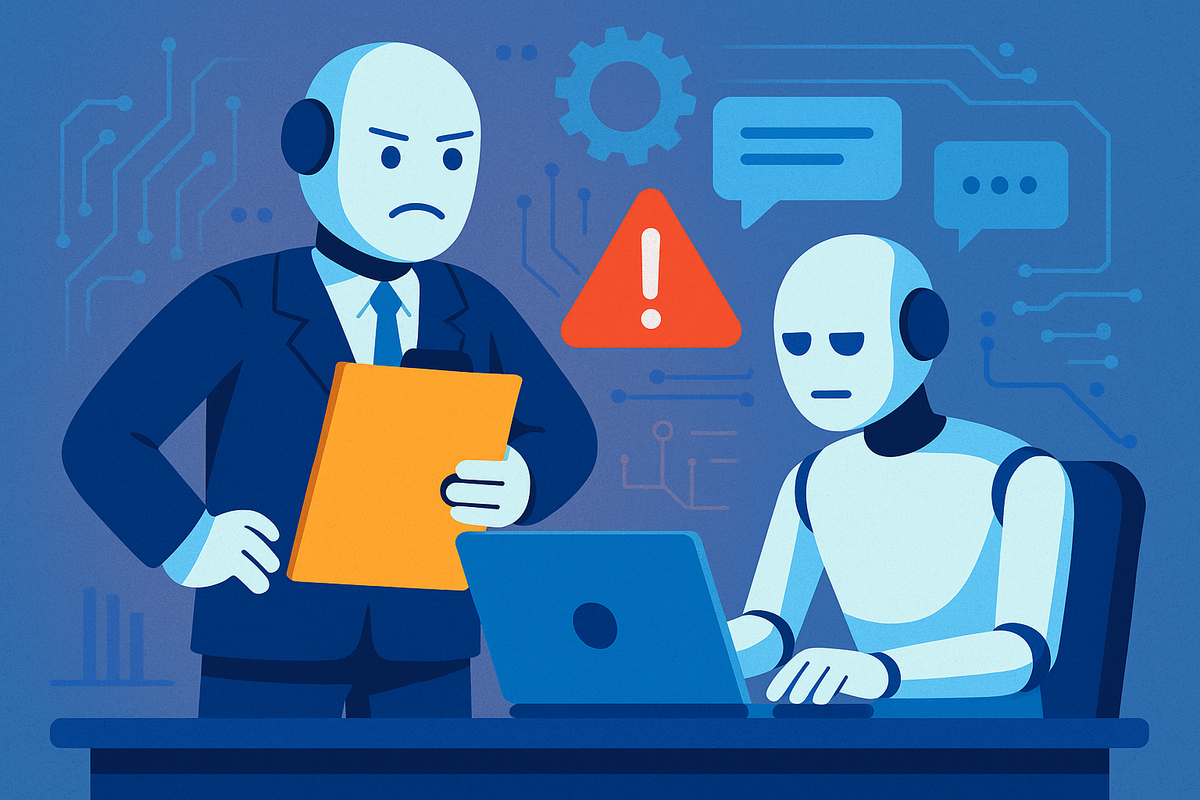
AI agents are impressive. They summarize emails, write proposals, schedule calls, even respond to leads. And when they work… it feels like magic.
But magic isn’t real.
And neither is the idea that you can “set it and forget it.”
In fact, that’s one of the most dangerous mindsets a service-based business owner can adopt when using AI.
What Can Go Wrong When You Stop Paying Attention?
Plenty.
Here’s what’s been happening behind the scenes when AI is left to its own devices:
- Wrong info, right tone: Your AI replies to a client confidently—with outdated or inaccurate info.
- Automated responses that miss the point: Someone writes in with a complaint, and your AI replies with a cheerful marketing line.
- Follow-ups that go out at the wrong time or tone: A gentle nudge turns into a spammy oversell.
- Errors that compound: AI pulls from previous messages it wrote… which were wrong to begin with.
It’s like letting an intern write all your emails, proposals, and lead responses—without reviewing a single one.
Would you do that?
Why This Hits Service-Based Businesses Harder
In a product-based business, a typo in an email might mean a few lost sales.
But in a service-based business—especially one that relies on trust, professionalism, and relationships—one AI misstep can lose you a client for good.
Think about it:
- A misquoted price can cause an angry follow-up.
- An AI-written intake form might ask the wrong (or legally sensitive) questions.
- An off-tone message can feel cold, robotic, or dismissive.
Even if you’re using the best AI agent on the market, it’s not a mind-reader. It doesn’t know your tone, your context, your client history—or your standards.
How to Keep AI Smart, Not Sloppy
If you want to get the most out of AI without risking your reputation, here’s what you should be doing:
🔍 Review before you release: Always look over AI-generated content before it’s sent to a client or posted publicly.
🧱 Create guardrails: Use saved prompts, templates, and tone/style examples to help AI stay consistent.
🗂️ Audit regularly: Look back at your AI’s output weekly to catch mistakes and recalibrate.
🧠 Train your team, too: Make sure your human staff knows how to work with AI—not just delegate everything to it.
💡 The Bottom Line?
AI can help. It can save you time. It can impress clients.
But it’s not a robot assistant from the future. It’s a tool that needs oversight, especially if you want to use it for sensitive or client-facing tasks.
So yes—use it. But don’t trust it blindly.
Thanks for reading. Want to explore what happens when AI replies to the wrong person? Don’t miss our post “The Email Draft Looked Great—Until It Replied to the Wrong Client”. And if you’re looking to build smarter AI systems that actually fit your workflow, feel free to reach out to Managed Nerds.