Hackers Love Your Forgotten Cloud Storage—Here’s How They’re Cashing In
Hackers are taking over deleted cloud storage buckets to serve malware and steal data. Google’s warning shows how businesses can protect themselves—before it’s too late.

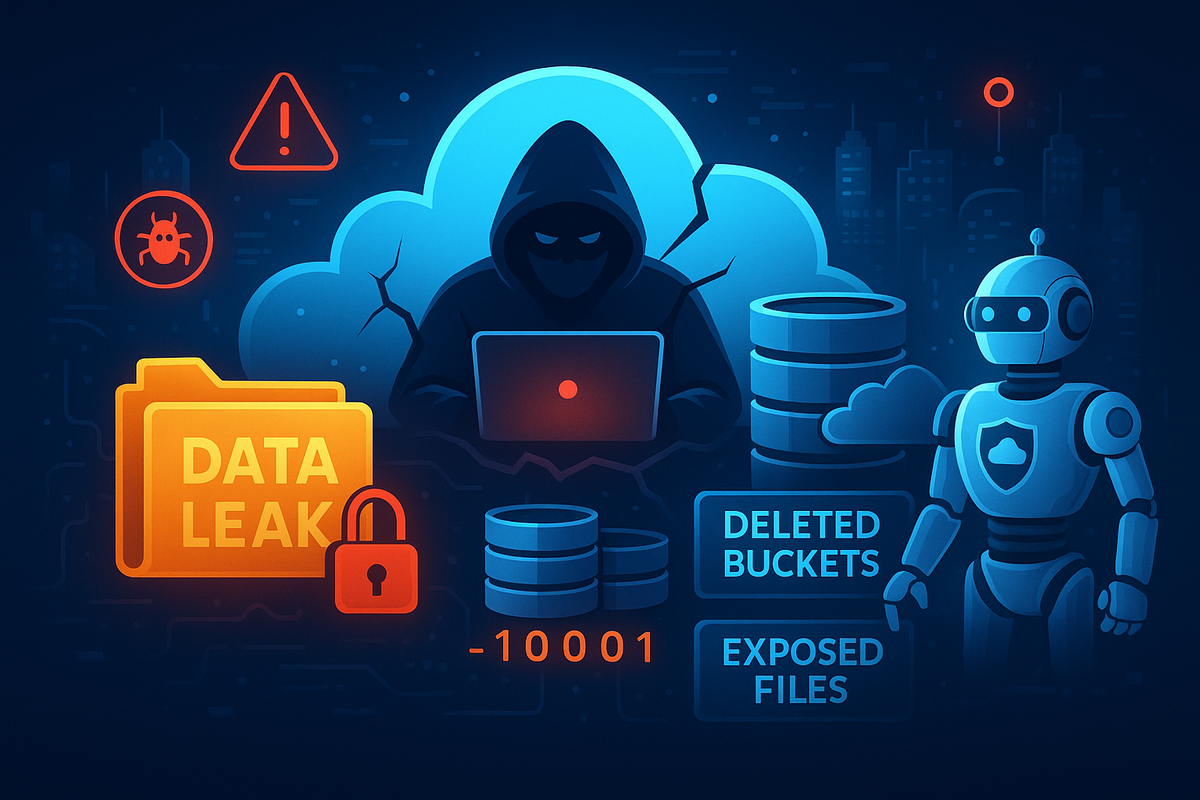
Ever cleaned out your office, thrown away an old file, and then realized someone dug it out of the trash? Now imagine that “file” is your company’s sensitive data—and it’s not in a trash can, but floating in the cloud. That’s exactly what’s happening with dangling bucket attacks, and Google just waved a big red warning flag.
When businesses use cloud storage (like Google Cloud buckets) and later delete them, the job isn’t always done. If your application code, mobile apps, or public documentation still point to that now-deleted bucket, cybercriminals can swoop in, grab the same name, and serve malware or steal data from your unsuspecting users.
And the scary part? You might not even know it’s happening until your brand’s reputation is already taking a hit.
The Criminal Playbook
Google says hackers are looking for:
- Executable code they can tamper with
- Machine learning models to alter
- Dynamic content like JavaScript they can weaponize
- Sensitive configuration files to open backdoors into your systems
Once they “adopt” your old bucket name, it’s like they’ve put on your company’s ID badge and started shaking hands with your clients—except instead of deals, they’re delivering malware.
Google’s 4-Step Prevention Plan
- Know who’s knocking.
Before deleting a bucket, check the logs. If old apps, services, or clients are still pinging it, investigate before you pull the plug. - Wait a week.
Give yourself at least seven days to monitor for weekly reports, batch jobs, or straggler users before deletion. - Hunt the leftovers.
Scan your codebase and documentation for old bucket names. A flood of failed requests (404s) to the same missing bucket? Big red flag. - Reclaim before the crooks do.
If you still own the name, create a new bucket under secure control and lock it down with strict permissions.
Why This Matters for Your Business
For small and mid-sized businesses, this isn’t just an IT problem—it’s a trust problem. A single hijacked storage bucket could:
- Deliver malicious code to your customers
- Expose private client files
- Damage your brand in ways money can’t fully repair
How Managed Nerds Can Help
We don’t just set up your tech—we guard it like it’s our own. Managed Nerds offers:
- Cloud security audits to find forgotten or misconfigured resources
- Continuous monitoring for unusual access patterns
- Codebase scanning to catch dangling references before attackers do
- Backup and disaster recovery plans so you’re never left vulnerable
If your business uses cloud storage, now is the time to get ahead of this threat. Don’t wait until a hacker claims your old address—let us lock it down today.
🔗 Talk to Managed Nerds about securing your cloud environment