SantaStealer Is Coming to Town—and It’s Not Bringing Gifts
A new holiday-themed malware called SantaStealer is already stealing business logins, documents, and wallets. Here’s what it does, who it targets, and how to stay protected.

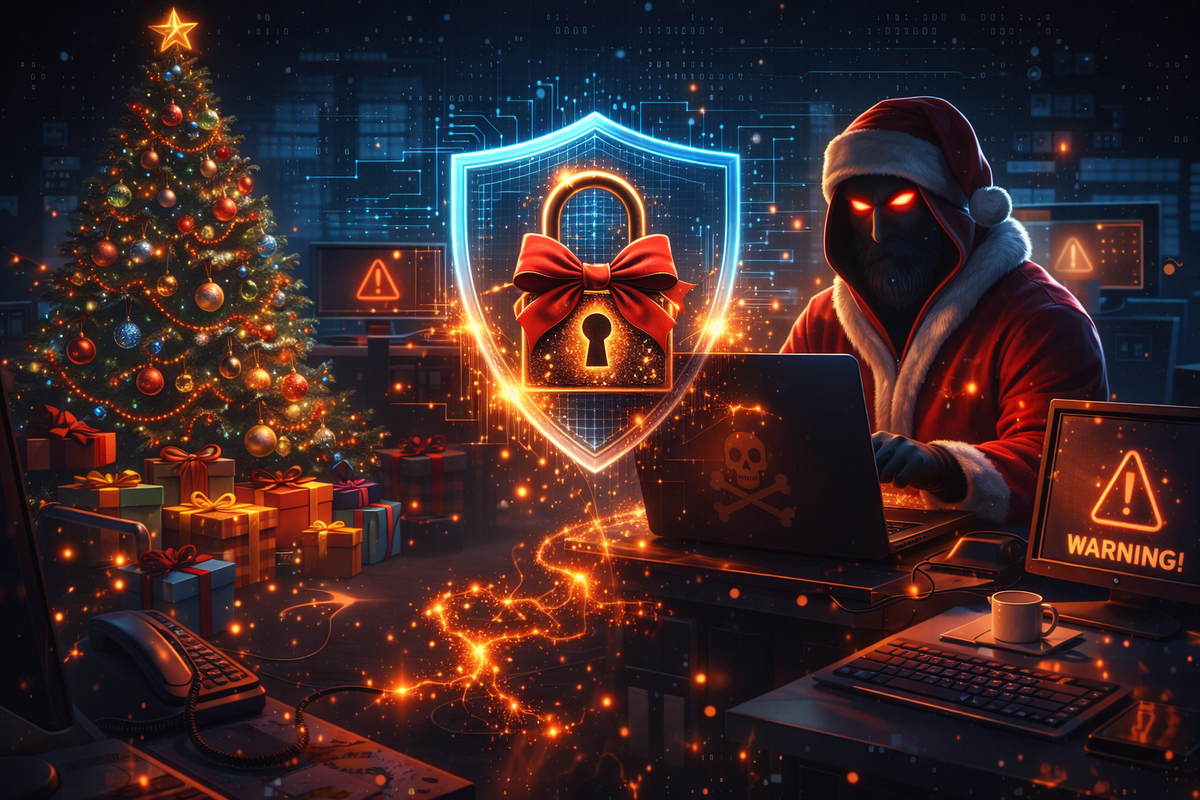
Just as businesses gear up for the busiest shopping season of the year, cybercriminals are rolling out a new holiday threat designed to blend in with the noise.
It’s called SantaStealer, and despite the festive name, there’s nothing cheerful about it.
Security researchers have confirmed that this new malware is already being sold on Telegram and dark web forums and is designed specifically to steal business data, credentials, and digital wallets from Windows computers.
What Is SantaStealer?
SantaStealer is a type of malware known as an information stealer. Instead of locking your files like ransomware, it quietly sneaks in and takes what matters most:
• Login usernames and passwords
• Business documents
• Saved browser credentials
• Cryptocurrency wallets
• Sensitive files used for daily operations
Once stolen, that data can be sold, reused for fraud, or used to launch bigger attacks against your company.
Why This One Is Different—and More Dangerous
What makes SantaStealer especially concerning is how professionally it’s being sold.
Cybercriminals are marketing it like legitimate software:
• Monthly subscriptions
• Premium plans
• Even a “lifetime access” option for $1,000
This lowers the barrier for criminals. Someone doesn’t need advanced hacking skills, they just need a credit card and bad intentions.
Even worse, SantaStealer runs entirely in memory, meaning:
• It doesn’t install obvious files
• Traditional antivirus tools may miss it
• It can operate quietly in the background
In short, it’s designed to stay hidden while it works.
Who’s at Risk?
SantaStealer targets Windows 7 through Windows 11, which covers the majority of business computers in use today.
Small and mid-sized businesses are especially attractive targets because:
• Employees wear many hats
• Security training is often limited
• Holiday distractions lower vigilance
• A single stolen login can open the door to everything
This is exactly the time of year attackers like to strike.
How SantaStealer Usually Gets In
This malware doesn’t break down the door, it convinces someone to open it.
Common entry points include:
• Suspicious email attachments
• Fake invoices or holiday shipping notices
• “Human verification” popups asking you to run commands
• Pirated software, plugins, or fake updates
If an employee unknowingly runs the wrong file, SantaStealer does the rest.
Simple Ways to Reduce Your Risk Right Now
You don’t need a cybersecurity degree to lower your exposure:
• Be skeptical of unexpected emails or attachments
• Never run commands from popups or websites
• Avoid pirated or unverified software
• Keep systems updated
• Train employees to pause before clicking
Most attacks succeed because of urgency and confusion, not technical brilliance.
How Managed Nerds Helps Businesses Stay Ahead
At Managed Nerds, we help businesses protect themselves from modern threats like SantaStealer before damage is done.
We provide:
🧠 Employee cybersecurity training that actually sticks
🔍 Monitoring for suspicious activity and stolen credentials
🔐 Endpoint protection beyond basic antivirus
🛠️ Practical response plans if something goes wrong
🤖 Guidance on using AI safely instead of becoming a target
Cybercrime is becoming more professional, automated, and seasonal. Your defense needs to evolve too.
If you want help keeping holiday threats from turning into year-long problems, Managed Nerds is here when you’re ready.