
The Thank-You Page Most Small Businesses Waste: Turn Form Fills Into Better Leads
Your thank-you page should not be a dead end. Here’s how to use it to confirm the request, reduce ghosting, build trust, and improve lead tracking.

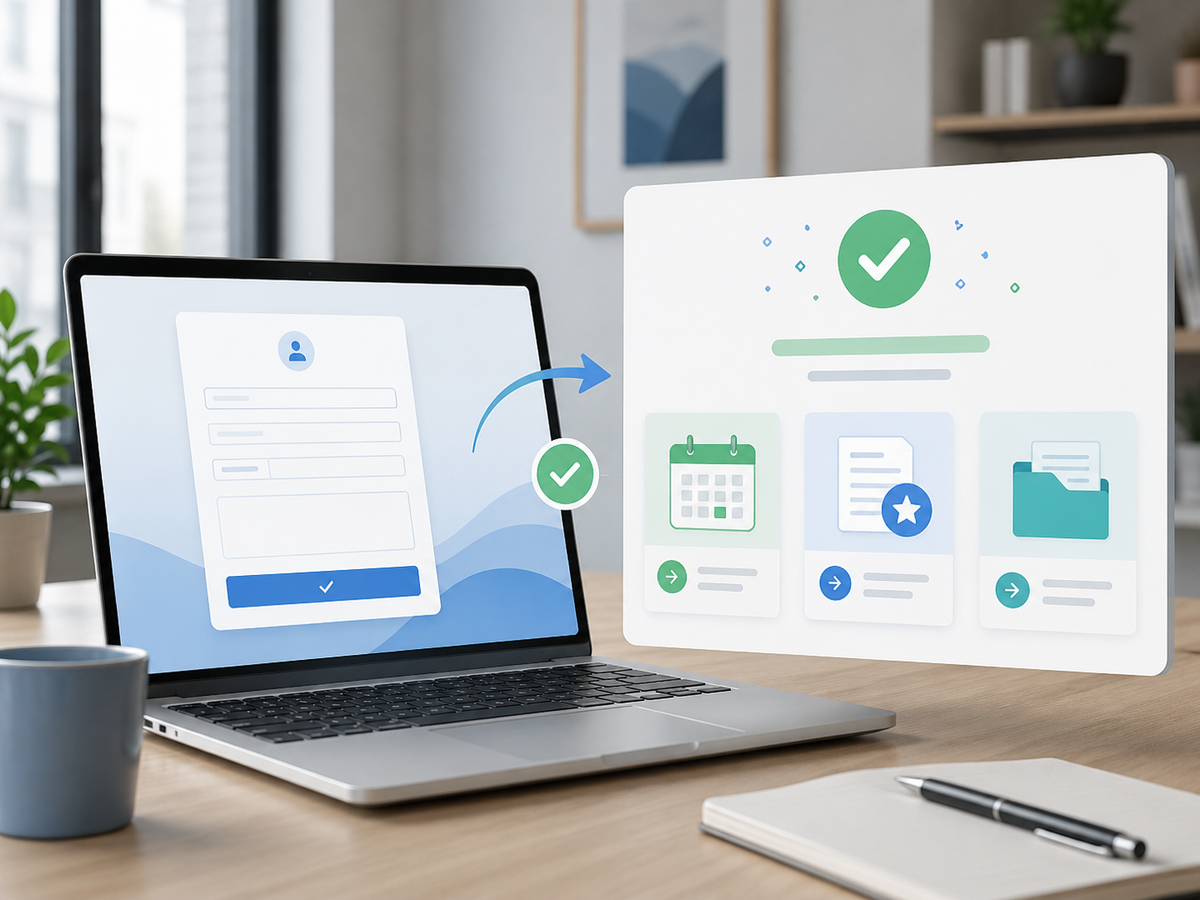
Most small business thank-you pages are painfully boring.
Someone fills out a form, clicks submit, and sees:
“Thanks. We’ll be in touch.”
That’s it.
No next step.
No expectation.
No proof.
No reason to stay engaged.
That is a missed opportunity.
A thank-you page is not just a polite ending. It is a conversion moment.
The person just raised their hand. They gave you their information. They showed interest. That is not the time to go silent.
That is the time to guide them.
Why thank-you pages matter
A thank-you page should do more than confirm a form was submitted.
It should help answer the questions your lead is already thinking:
- Did this actually go through?
- How soon will someone contact me?
- Should I call instead?
- What happens next?
- Can I trust this business?
- What can I read while I wait?
If you don’t answer those questions, uncertainty creeps in.
And uncertainty creates ghosting.
The problem with “we’ll be in touch”
“We’ll be in touch” sounds polite, but it is vague.
It does not tell the lead:
- when you’ll respond
- how you’ll respond
- what they should prepare
- what to do if it is urgent
- why they should trust you while they wait
A better thank-you page reduces friction immediately.
What a good thank-you page should include
You do not need anything complicated.
A strong thank-you page needs five simple pieces.
1) Confirmation
Start by clearly confirming the request went through.
Example:
“Thanks, we received your request.”
That sounds basic, but it matters.
People should not wonder if the form broke.
2) Response expectation
Tell them what happens next.
Examples:
- “We typically respond within one business day.”
- “You’ll receive a call or text from our team during business hours.”
- “If this is urgent, call us directly.”
Only promise what you can actually deliver.
If you say “15 minutes” and respond tomorrow, you create distrust.
3) The next best action
Sometimes the form is not the best final step.
Give them a next action when appropriate.
Examples:
- “Want to schedule faster? Book a call here.”
- “Have photos or screenshots? Reply to the confirmation email.”
- “Need urgent help? Call now.”
- “Want to prepare? Review this checklist before your call.”
This helps serious leads move forward faster.
4) Proof
Your lead may still be comparing you to someone else.
Add proof on the thank-you page:
- a short testimonial
- a review snippet
- a before/after result
- a “what customers say” card
- a simple credibility statement
This reassures them after they submit.
Remember, submitting a form does not mean they are sold. It means they are interested.
5) A helpful resource
While they wait, give them something useful.
Examples:
- “Read: What Happens After You Request an SEO Audit?”
- “Download: Website Lead Quality Checklist”
- “Watch: 3 Signs Your Ads Are Wasting Money”
- “Read: SEO vs Ads: The 90-Day Plan”
This keeps them engaged and points them toward deeper trust.
Example thank-you page for a quote request
Here’s a simple structure:
Headline:
Thanks, we received your request.
Subtext:
We’ll review your information and follow up during business hours. If this is urgent, call us directly.
Next step block:
Want to move faster? Book a short call here.
Proof block:
“Managed Nerds helped us understand what was holding our website back and what to fix first.”
Helpful link:
While you wait, read: “Why Your Leads Are Low Quality: 7 Filters That Fix It Fast.”
That is already better than “we’ll be in touch.”
Example thank-you page for a lead magnet
If someone downloads a checklist, your thank-you page should not only say “check your inbox.”
Try this:
Headline:
Your checklist is on the way.
Subtext:
We just sent it to your email. While you wait, here’s the best way to use it.
3-step usage guide:
- Review your website or profile using the checklist.
- Circle the items you’re missing.
- Pick one fix to make this week.
Soft CTA:
Want a second set of eyes? Request a quick audit.
That turns a download into a next step.
Example thank-you page for a consultation request
If someone requests a consultation, focus on reducing uncertainty.
Headline:
Thanks, your consultation request is in.
Subtext:
We’ll review your request and follow up with the next best step.
Preparation block:
To make the call more useful, think about:
- your main goal
- what you’ve tried already
- where leads are coming from now
- what feels confusing or broken
Proof block:
Show a review or a quick “what we help with” section.
CTA:
Need to send more context? Reply to the confirmation email.
The tracking benefit most businesses miss
A thank-you page also helps your analytics.
If every successful form submission sends people to a unique thank-you page, you can track that page visit as a conversion.
This helps you see:
- which ad created the form fill
- which blog drove the lead
- which landing page converted
- which platform is producing real inquiries
If your forms just show an on-page message, tracking can still work, but it is often easier to make mistakes.
A dedicated thank-you page keeps things cleaner.
The thank-you page should match the form
Do not use one generic thank-you page for everything if you can avoid it.
A quote request thank-you page should be different from a lead magnet thank-you page.
A consultation request should be different from a newsletter signup.
Why?
Because the lead’s intent is different.
Someone requesting a quote is closer to buying.
Someone downloading a checklist may still be researching.
Someone booking a consultation needs reassurance and preparation.
Match the thank-you page to the action.
How thank-you pages reduce ghosting
Leads ghost when they feel uncertain, busy, or disconnected.
A good thank-you page reduces that by:
- confirming the request
- setting expectations
- giving a clear next step
- showing proof
- keeping them engaged
That makes your follow-up easier because the lead already knows what to expect.
The simple thank-you page checklist
Use this for every form:
- Clear confirmation
- Response-time expectation
- What happens next
- Urgent contact option, if relevant
- Proof or testimonial
- Helpful resource
- Tracking set up
- Matching message to the form type
If your thank-you page does those things, it is doing its job.
What not to do
Avoid these common mistakes:
- vague “we’ll be in touch” only
- no response expectation
- no tracking
- no next step
- no proof
- no mobile optimization
- sending every form to the same generic page
The thank-you page is part of your lead system.
Treat it that way.
The bottom line
A thank-you page should not be a dead end.
It should confirm the action, build trust, improve tracking, and guide the lead toward the next best step.
If someone just filled out your form, they are paying attention.
Use that moment.
Need help turning your website forms into a cleaner lead system that supports small business SEO? Managed Nerds offers practical SEO and marketing support to improve landing pages, thank-you pages, tracking, and follow-up so your website does more than collect clicks. It helps turn visitors into real conversations.
Thank you for reading. If you’d like more small business SEO tips, subscribe for updates.