Nano-Influencers for Local Businesses: Can 500 Followers Actually Drive Leads?
Nano-influencers may have small audiences, but local trust can beat follower count. Here’s how small businesses can test creator partnerships safely.

When most people hear “influencer marketing,” they picture someone with a million followers, a huge audience, and a price tag no small business wants to touch.
But the influencer world is changing.
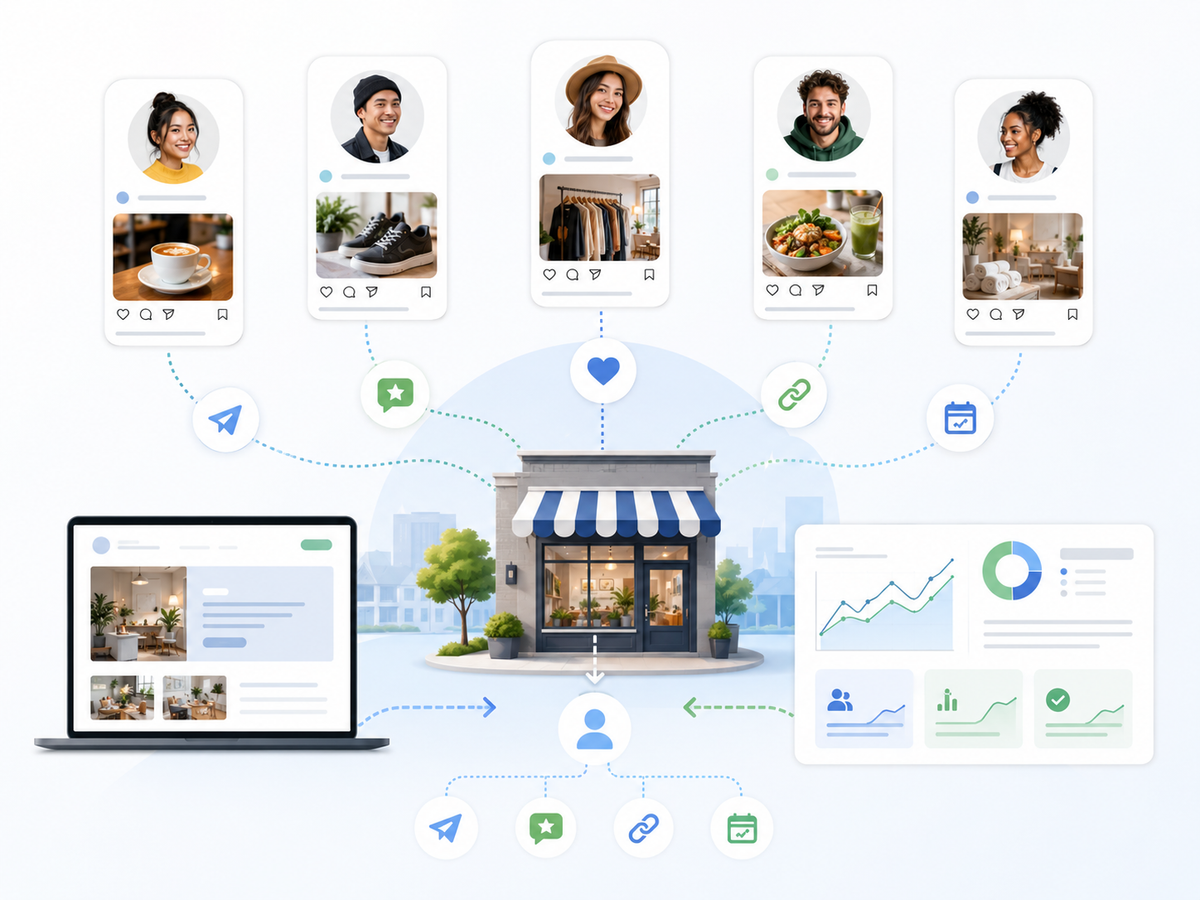
More brands are looking at nano-influencers, which are everyday people with smaller audiences, sometimes only a few hundred followers. The reason is simple: smaller creators can feel more relatable, more trusted, and more local.
A recent Wall Street Journal report described major brands working with everyday users who may have as few as 500 followers, because social algorithms increasingly reward content quality and relatability instead of only follower count.
For small local businesses, this raises a practical question:
Can someone with 500 followers actually help you get leads?
The answer is: yes, sometimes.
But only if you choose the right person, set the right expectations, and track the results.
What is a nano-influencer?
A nano-influencer is a creator or local person with a small but engaged audience.
They might have:
- 500 followers
- 1,000 followers
- 3,000 followers
- 5,000 followers
The exact number matters less than the relationship they have with their audience.
A local fitness client with 800 followers may influence more real customers than a random creator with 50,000 followers in another state.
Why?
Because trust is local.
Why small audiences can work
Follower count is not the whole story.
A small local creator may have:
- real friends and neighbors following them
- strong local credibility
- higher comment quality
- more personal trust
- an audience that actually lives in your service area
That matters for service businesses.
If a local realtor, gym member, homeowner, insurance agent, or neighborhood leader mentions your business, their audience may pay attention because the recommendation feels real.
That is very different from a generic sponsored post from someone who has never used your service.
Best-fit businesses for nano-influencer campaigns
Nano-influencer campaigns can work especially well for:
- local gyms
- wellness businesses
- realtors
- insurance agencies
- home service companies
- restaurants and cafes
- local events
- photographers
- salons
- cleaning companies
- small business consultants
- service-area businesses with strong customer relationships
They work best when the service has a human story attached.
For example:
- “Here is how this gym helped me stay consistent.”
- “Here is the local business that fixed our website.”
- “Here is the company I called when I needed help fast.”
- “Here is what happened during our consultation.”
People respond to lived experience.
Where to find local nano-influencers
You probably already know some.
Start here.
1) Happy customers
This is the best source.
If a customer already loves your business and posts naturally, they may be a great fit.
You can ask:
“Would you be open to sharing your experience in a short post or video?”
Keep it natural. Do not force a script.
2) Referral partners
Think about people who already serve your audience.
Examples:
- realtors
- home inspectors
- insurance agents
- accountants
- fitness coaches
- local business owners
- chamber members
A referral partner with a small but relevant audience can be more valuable than a big creator with no local connection.
3) Neighborhood groups and local community pages
Look for people who already:
- answer questions
- recommend businesses
- share local updates
- post helpful content
Do not spam these groups.
Use them to understand who has trust.
4) Employees or team members
Sometimes the best small creator is inside the business.
If a team member is comfortable on camera, they can create:
- behind-the-scenes videos
- quick tips
- “day in the life” posts
- customer education content
This builds trust without needing an outside creator.
5) Local professionals with overlapping audiences
For Managed Nerds-style services, possible collaborators might include:
- real estate agents
- bookkeepers
- business coaches
- local insurance agents
- coworking space owners
- chamber leaders
- small business consultants
The key is audience overlap.
What to offer
You do not always need a big cash payment.
Depending on the business and relationship, you might offer:
- small paid collaboration
- referral bonus
- free audit
- service discount
- gift card
- free class or consultation
- early access
- bundled partner offer
But be careful: if there is any material connection, such as payment, free service, a discount, affiliate commission, or gift, it should be disclosed clearly.
The FTC’s endorsement guidance says people should clearly disclose relationships with brands when the audience would not expect that connection, and disclosures should be hard to miss.
That matters for trust and compliance.
What the post should look like
The best nano-influencer posts usually feel like a real story, not a commercial.
Good formats include:
Experience post
“I worked with [business] because I needed help with [problem]. Here’s what surprised me…”
Before-and-after post
“Before, I was struggling with [problem]. After, I had [result or clarity].”
Process post
“Here’s what the consultation / service / visit looked like.”
Tip post
“I learned this from working with [business]: [helpful tip].”
Recommendation post
“If you’re a small business owner dealing with [problem], this is worth looking into.”
The post should sound like the creator, not like a corporate flyer.
What not to do
Avoid these mistakes.
Do not force a script
Give talking points, not a word-for-word script.
Forced content sounds fake.
Do not hide the relationship
If they were paid or received something free, disclose it clearly.
Research continues to show that disclosures in influencer and affiliate marketing are often incomplete or unclear. For example, a 2026 study of YouTube affiliate marketing found widespread affiliate links but low compliance with disclosure expectations.
Clear disclosure protects trust.
Do not chase follower count only
A creator with 700 local followers can outperform someone with 20,000 irrelevant followers.
Look for audience fit.
Do not expect one post to change everything
Nano-influencer marketing works best as a small, repeatable test, not a one-time miracle.
Do not use fake testimonials
If they did not use the service or cannot honestly speak about it, do not frame it like a customer experience.
How to track results
This is where small businesses usually fail.
They do the collaboration, get a few likes, and then have no idea if it worked.
Track with:
UTM links
Give each creator a unique link.
Example:?utm_source=instagram&utm_medium=nano_influencer&utm_campaign=seo_audit&utm_content=creatorname
Now you can see traffic from that creator.
Promo codes
Use simple codes like:
- JANE10
- EVANSSEO
- LOCALFIT
Promo codes are easy to mention in captions and videos.
“How did you hear about us?”
Add this to your form or intake process.
Make sure one option is:
- creator/referral
- social media
- specific partner name if relevant
Landing pages
If the campaign is important, create a simple landing page for that audience.
Example:
“Small Business SEO Help for Local Realtors”
That makes the post feel more connected and helps conversions.
What to measure
Do not only measure likes.
Track:
- profile visits
- website clicks
- form fills
- calls
- booked consultations
- lead quality
- new followers from the right audience
- referral conversations
- cost per lead
A small creator campaign with only 300 views can still be valuable if it creates two good consultations.
A simple nano-influencer test plan
Start small.
Week 1: Choose 3 possible creators
Pick people with:
- local audience
- real engagement
- good reputation
- audience fit
- authentic posting style
Week 2: Create the offer
Choose one:
- checklist download
- free audit
- consultation
- service discount
- event signup
Week 3: Give talking points
Provide:
- what the service is
- who it helps
- what problem it solves
- required disclosure language
- tracking link or code
Week 4: Review results
Look at:
- clicks
- leads
- calls
- comments
- quality
- booked work
Then decide if you should repeat, adjust, or stop.
The bottom line
Nano-influencers are not magic.
But local trust can beat follower count.
For small businesses, the best creators are often happy customers, referral partners, neighborhood voices, and local professionals with real relationships.
Start small. Keep it honest. Track everything. Make sure disclosures are clear.
Need help building local campaigns that connect social proof, tracking, and small business SEO? Managed Nerds offers practical SEO and marketing support to help small businesses choose the right channels, build trackable campaigns, and turn local trust into real leads.
Thank you for reading. If you’d like more small business SEO tips, subscribe for updates.